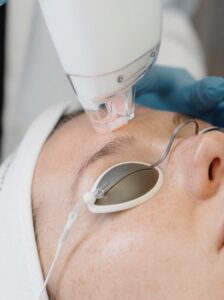


Uneven skin tone, dark spots, and melasma can be difficult to manage with skincare products alone. LaseMD ULTRA is a non-ablative fractional 1927 nm thulium laser that can help improve certain types of pigmentation and sun damage by creating controlled microchannels in the skin and supporting skin renewal. However, melasma requires careful evaluation because laser treatments may not suit everyone and pigmentation can return without ongoing care.
What Is LaseMD ULTRA?
LaseMD ULTRA is an advanced fractional laser treatment designed to improve skin tone, texture, and the appearance of selected pigmentation concerns. It uses a 1927 nm thulium laser to deliver controlled energy to the skin without removing the entire outer skin layer.
Unlike traditional ablative resurfacing treatments, this non-ablative technology creates microscopic treatment zones while leaving surrounding tissue intact. These controlled zones support the skin’s natural renewal process and can increase the absorption of selected topical ingredients applied as part of a professional treatment plan.
The treatment can be customized according to the individual’s skin concerns and desired level of improvement. Depending on the settings and the area being treated, a session may take around 10 to 20 minutes, although preparation and aftercare can add to the overall appointment time.
According to Cynosure Lutronic, LaseMD ULTRA is designed to address concerns such as sun damage, age spots, freckles, and uneven skin tone. Its suitability for melasma depends on the individual and the treatment approach selected.
How Does LaseMD ULTRA Target Hyperpigmentation?
Hyperpigmentation occurs when the skin produces or accumulates excess melanin, the pigment responsible for skin color. It may appear as dark spots, patches, or areas that look darker than the surrounding skin.
Common causes include sun exposure, hormonal changes, inflammation, acne marks, and certain skin conditions. Because these concerns have different causes and depths, the right treatment depends on identifying the type of pigmentation first.
How Does the 1927 nm Thulium Laser Work?
LaseMD ULTRA uses fractional laser energy to create tiny, controlled thermal zones in the skin. This process supports skin renewal and can help improve the appearance of superficial pigmentation.
The treatment works through several mechanisms:
- Targets selected pigmentation concerns: The laser can help improve the appearance of superficial sunspots and other appropriate pigmented lesions.
- Supports skin renewal: Controlled thermal energy encourages the skin’s natural repair processes.
- Creates microchannels: These temporary channels can increase the penetration of selected topical ingredients used during treatment.
- Allows customized treatment: A qualified provider can adjust the treatment approach according to the concern, skin characteristics, and desired outcome.
The goal is to achieve a more even-looking complexion while limiting unnecessary disruption to surrounding tissue. Results depend on the pigmentation’s cause, depth, treatment settings, and the skin’s response.
Can LaseMD ULTRA Help With Dark Spots and Sun Damage?
Yes, LaseMD ULTRA may help improve selected superficial dark spots caused by sun exposure, including age spots, freckles, and solar lentigines.
Repeated exposure to ultraviolet radiation can stimulate melanin production and make existing pigmentation more noticeable. Over time, this may lead to scattered brown spots across the face, neck, chest, and other exposed areas.
When a professional determines that the spots are appropriate for laser treatment, LaseMD ULTRA may help reduce their appearance and improve overall skin clarity.
However, not every dark spot should be treated as ordinary pigmentation. A new, changing, irregular, or unexplained spot needs medical evaluation before cosmetic treatment.
How Can LaseMD ULTRA Help With Melasma?
Melasma is a chronic pigmentation condition that causes brown or gray-brown patches, often on the cheeks, forehead, upper lip, and chin. Hormonal changes, sunlight, and visible light can contribute to its development or worsen existing patches.
Unlike isolated sunspots, melasma can be persistent and may return after treatment. Its pigment may also extend into different skin layers, which makes treatment more complex.
Can LaseMD ULTRA Reduce the Appearance of Melasma?
LaseMD ULTRA may help improve selected cases of melasma when a qualified professional determines that the treatment is appropriate. Its 1927 nm thulium laser can target the superficial component of pigmentation, and the platform can be used alongside selected topical ingredients in a personalized treatment plan.
Some treatment protocols may include tranexamic acid-based topical products to support pigmentation management. The choice of ingredient and its suitability depend on the patient’s skin and the provider’s assessment.
However, laser treatment is not a guaranteed cure for melasma. In some cases, laser energy or treatment-related inflammation can worsen pigmentation, particularly when the skin is prone to post-inflammatory hyperpigmentation.
For this reason, a medical professional should assess the type of melasma, skin tone, previous treatments, and risk factors before recommending a procedure.
Why Is Melasma More Difficult to Treat Than Ordinary Dark Spots?
Melasma is influenced by several factors, including hormones, ultraviolet radiation, visible light, genetics, and skin inflammation. Even when patches become lighter, the underlying tendency to develop pigmentation may remain.
A successful management plan often combines several approaches:
- Daily sun protection, including broad-spectrum sunscreen.
- Carefully selected topical treatments recommended by a medical professional.
- Gentle skincare that reduces irritation.
- Professional procedures when appropriate.
- Ongoing maintenance to help limit recurrence.
For some people, medication and sun protection are the main treatments, while laser procedures may be considered as an additional option. The best approach depends on the individual’s diagnosis and response to previous care.
Does LaseMD ULTRA Improve Uneven Skin Tone?
LaseMD ULTRA may improve uneven skin tone when the discoloration is caused by superficial pigmentation that responds to the treatment. By targeting selected pigmented areas and supporting skin renewal, it can help create a more uniform-looking complexion.
Uneven tone can result from several concerns, including:
- Sunspots and freckles.
- Post-inflammatory hyperpigmentation after acne or irritation.
- Mild sun damage.
- Selected superficial pigment irregularities.
The treatment may also improve aspects of skin texture, depending on the settings used and the individual’s response.
However, uneven skin tone is not always caused by excess pigment. Redness, visible blood vessels, inflammation, and other skin conditions can create a similar appearance. A proper assessment helps determine whether a pigment-focused laser is the right choice.
What Is the Difference Between Hyperpigmentation, Melasma, and Uneven Skin Tone?
Although these terms are often used interchangeably, they describe different concerns.
Hyperpigmentation is a broad term for areas of skin that appear darker than the surrounding skin. It can occur after acne, irritation, sun exposure, or other triggers.
Melasma is a specific pigmentation disorder that typically appears as larger, symmetrical patches on the face. It is often influenced by hormones and light exposure.
Uneven skin tone describes an overall appearance rather than one specific diagnosis. It may involve dark spots, patchy pigmentation, redness, or a combination of concerns.
Understanding the difference matters because a treatment that works well for sunspots may not be the most suitable option for melasma or post-inflammatory pigmentation.

What Happens During a LaseMD ULTRA Treatment?
A LaseMD ULTRA appointment generally begins with an assessment of the skin and the concern being treated. The provider reviews the patient’s skin history, previous procedures, skincare products, and any factors that could increase the risk of irritation or pigmentation changes.
The treatment process typically includes the following steps.
1. Skin Assessment and Preparation
The provider examines the area and determines whether the pigmentation is suitable for treatment. The skin is cleansed, and any additional preparation is performed according to the treatment protocol.
2. Customized Laser Application
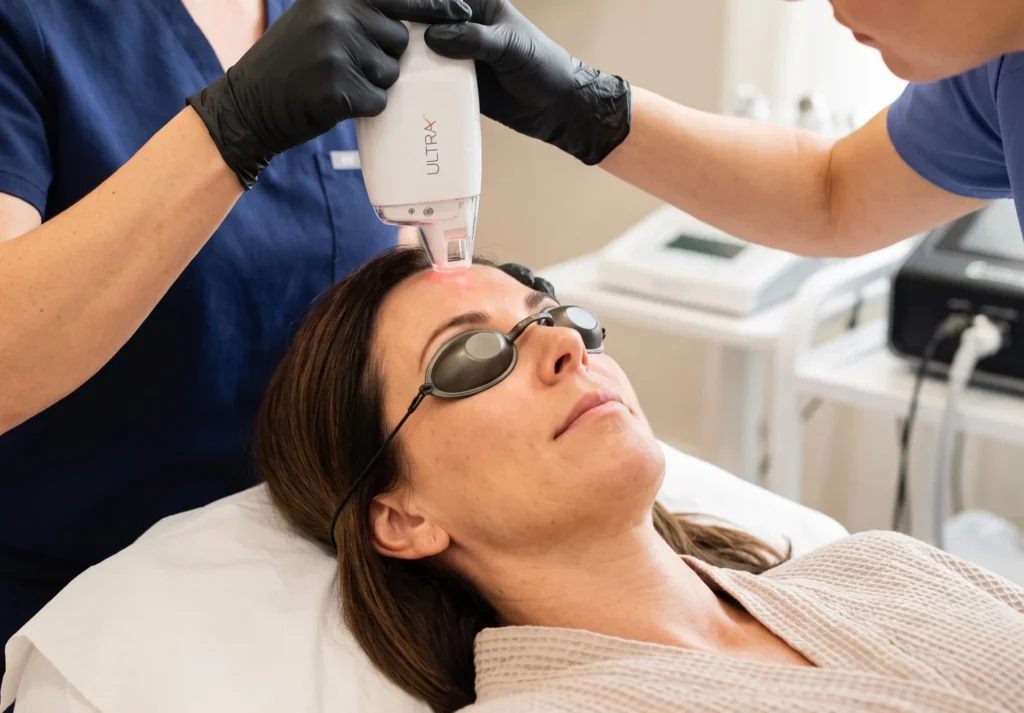
The practitioner moves the laser handpiece over the treatment area using settings selected for the patient’s needs. The fractional laser delivers controlled energy to targeted areas of the skin.
Patients may feel warmth, tingling, or a prickling sensation. Comfort levels vary according to individual sensitivity and treatment settings.
3. Application of Selected Topical Products
Depending on the protocol, the provider may apply a suitable topical ingredient after laser treatment. The microchannels created by the laser can increase topical absorption, so only products appropriate for professional post-laser use should be applied.
4. Aftercare Instructions
The provider explains how to care for the skin during recovery. This generally includes gentle cleansing, appropriate moisturization, sun protection, and temporarily avoiding irritating skincare products.
How Many LaseMD ULTRA Sessions Are Needed for Pigmentation?
The number of sessions depends on the type of pigmentation, its severity, the treatment settings, and the individual’s response.
Some people may notice a change after one session, while others may need multiple treatments for a more visible improvement. Deeper or persistent pigmentation may require a different treatment plan, and melasma may need long-term maintenance rather than a fixed course of laser sessions.
A qualified provider should recommend the number and spacing of sessions after assessing the skin. Avoid choosing a treatment schedule based solely on another person’s results, because pigmentation can behave differently from one individual to another.
What Is the Recovery Time After LaseMD ULTRA?
LaseMD ULTRA is a non-ablative fractional laser, so recovery is generally shorter than with more aggressive resurfacing procedures. However, it still produces a controlled skin response, and temporary side effects are possible.
After treatment, you may experience:
- Mild redness or warmth.
- A dry or rough skin texture.
- Temporary sensitivity.
- Fine, sandpaper-like texture as the skin renews.
- Temporary changes in pigmentation during healing.
The exact recovery period varies according to treatment intensity and individual skin characteristics. Follow the provider’s instructions and allow the skin to recover before restarting active ingredients such as retinoids or exfoliating acids.
Contact your treating professional if you experience severe pain, blistering, worsening swelling, signs of infection, or pigmentation that becomes significantly darker.
Is LaseMD ULTRA Safe for All Skin Types?
LaseMD ULTRA can be customized for different skin concerns, but that does not mean every setting or treatment protocol is appropriate for every skin type.
People with medium to deep skin tones may have a greater risk of post-inflammatory hyperpigmentation after procedures that irritate the skin. This is particularly important when treating melasma, because inflammation can stimulate additional pigment production.
A qualified medical professional should evaluate your skin tone, pigmentation depth, medical history, recent sun exposure, and previous reactions to procedures before treatment.
You should also disclose any medications, active skin conditions, recent tanning, pregnancy-related considerations, or history of unusual scarring. The provider can then determine whether to proceed, modify the treatment, or recommend a different approach.
How Can You Maintain Results After LaseMD ULTRA?
Aftercare plays an important role in protecting the skin and supporting a more even-looking complexion. Even when a treatment improves pigmentation, continued exposure to sunlight and other triggers may lead to new discoloration.
Use Sunscreen Every Day
Apply a broad-spectrum sunscreen with SPF 30 or higher every day. Reapply as directed, especially after sweating, swimming, or spending extended periods outdoors.
For melasma, a tinted sunscreen containing iron oxides may offer additional protection against visible light. Hats, shade, and other sun-protective habits can also help reduce pigmentation triggers.
Keep Your Skincare Routine Gentle
Use a mild cleanser and a moisturizer that supports the skin barrier. Avoid scrubs, harsh exfoliants, and strong active ingredients until your provider confirms that your skin has recovered.
Once healing is complete, your provider may recommend ingredients such as azelaic acid, vitamin C, or other pigmentation-focused products, depending on your needs.
Avoid Picking or Scrubbing the Skin
Allow dryness and flaking to resolve naturally. Picking at the skin or using abrasive products can cause irritation and increase the risk of post-inflammatory hyperpigmentation.
Follow a Long-Term Pigmentation Plan
Melasma and recurring pigmentation often need maintenance. Continue recommended skincare and sun protection even after the skin looks clearer. Attend follow-up appointments if your provider recommends them.
Is LaseMD ULTRA the Right Treatment for Your Skin?
LaseMD ULTRA may be worth discussing if you want to address selected sunspots, superficial pigmentation, or an uneven complexion with a fractional laser treatment.
However, the best treatment depends on the cause of your pigmentation. A professional may recommend topical skincare, prescription medication, sun protection, another procedure, or a combination of approaches.
For melasma, choosing the right treatment requires particular care. A qualified medical professional can assess whether LaseMD ULTRA is appropriate and explain the likely benefits, limitations, risks, and aftercare requirements before you decide.
Frequently Asked Questions
1. How does LaseMD ULTRA target hyperpigmentation?
LaseMD ULTRA uses fractional 1927 nm thulium laser energy to create controlled thermal zones in the skin. It can help improve selected superficial pigmented lesions while supporting skin renewal.
2. Can LaseMD ULTRA treat melasma?
It may improve selected cases of melasma when a qualified professional determines that the treatment is appropriate. However, melasma can recur, and laser treatment may worsen pigmentation in some people. A personalized medical assessment is essential.
3. Does LaseMD ULTRA work for dark spots?
It can help improve certain sunspots, freckles, and other superficial pigmented lesions. Dark spots should be assessed before treatment to confirm their cause and suitability for laser therapy.
4. How long does it take to see results from LaseMD ULTRA?
Results vary according to the pigmentation type, treatment settings, and skin response. Some people notice improvement after one session, while others need multiple treatments. Your provider can give you a more realistic estimate after an assessment.
5. Is there downtime after LaseMD ULTRA?
Most people experience relatively limited downtime, but temporary redness, dryness, sensitivity, or rough texture can occur. Recovery depends on treatment intensity and individual skin characteristics.
6. Can LaseMD ULTRA make melasma worse?
Yes, it is possible. Treatment-related inflammation can trigger additional pigmentation, particularly in people who are prone to melasma or post-inflammatory hyperpigmentation. Careful patient selection and appropriate treatment settings are important.
7. Do you need sunscreen after LaseMD ULTRA?
Yes. Daily broad-spectrum sunscreen with SPF 30 or higher helps protect healing skin and reduce the risk of further pigmentation. Tinted sunscreen with iron oxides may be especially helpful for people managing melasma.
8. Can LaseMD ULTRA be combined with topical treatments?
Yes, selected topical ingredients may be incorporated into a professional treatment plan. The laser creates microchannels that can increase topical absorption, so products should be chosen and applied according to the provider’s protocol.
9. Is LaseMD ULTRA suitable for darker skin tones?
Suitability depends on the individual’s skin characteristics, pigmentation concern, and treatment settings. Because inflammation can trigger darker marks in some skin tones, a qualified professional should carefully assess the risks before treatment.
10. Will LaseMD ULTRA permanently remove pigmentation?
No treatment can guarantee permanent removal of all pigmentation. Sunspots may improve, but new spots can develop with further sun exposure, and melasma commonly requires ongoing management. Consistent sun protection and an appropriate maintenance plan are important.
Conclusion
LaseMD ULTRA offers a fractional laser approach to improving selected forms of hyperpigmentation, sun damage, and uneven skin tone. Its 1927 nm thulium technology supports skin renewal and can increase the absorption of selected topical ingredients, making it a potential option for carefully chosen patients.
Melasma requires additional caution because it is a recurring condition influenced by hormones, sunlight, and other triggers. A personalized assessment, realistic expectations, gentle aftercare, and consistent sun protection are essential parts of a responsible treatment plan.
Understanding your skin concern before choosing a procedure can help you make a more informed decision about achieving a clearer, more even-looking complexion.