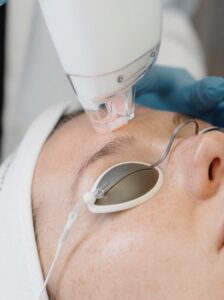


If your skin looks dull, feels rough, or has pores that seem more noticeable than before, LaseMD ULTRA may be worth discussing with a skincare professional. This fractional 1927 nm thulium laser treatment is designed to improve skin tone and texture, address selected signs of sun damage, and support a smoother-looking complexion with relatively little downtime for many patients.
Unlike a traditional facial that focuses on cleansing and surface hydration, LaseMD ULTRA uses controlled laser energy to support skin renewal. It can be customized to suit different skin concerns, although results vary depending on your skin type, treatment settings, and individual goals.
What Is LaseMD ULTRA?
LaseMD ULTRA is a professional fractional laser system developed by Cynosure Lutronic for skin revitalization. It uses a 1927 nm thulium laser to deliver controlled energy to the skin, helping improve the appearance of selected pigmentation concerns, uneven tone, and textural irregularities.
The treatment creates tiny, controlled treatment zones in the skin. These zones support the skin’s natural renewal process while leaving surrounding tissue intact. The system can also create microchannels that increase the absorption of selected topical ingredients used as part of a professional treatment protocol.
LaseMD ULTRA is designed to offer a customizable approach to skin rejuvenation without the extensive recovery associated with some more aggressive resurfacing procedures.
How Is LaseMD ULTRA Different From a Traditional Facial?
A traditional facial typically involves cleansing, exfoliation, extractions when appropriate, massage, and moisturizing products. These steps can help remove surface buildup, improve hydration, and temporarily refresh the skin.
LaseMD ULTRA works differently. It uses fractional laser energy to create a controlled skin response rather than relying solely on topical products and manual techniques.
Here is how the two approaches compare:
- Traditional facials: Focus on cleansing, hydration, gentle exfoliation, and maintaining the skin’s surface.
- LaseMD ULTRA: Uses laser energy to support skin renewal and improve selected concerns involving texture, tone, and superficial pigmentation.
Neither option replaces the other in every situation. A traditional facial may suit someone seeking routine maintenance, while a laser treatment may be considered when specific concerns require a more targeted approach.
How Does LaseMD ULTRA Help Refine Pores?
Pores are natural openings in the skin that allow oil and sweat to reach the surface. Their appearance varies according to genetics, oil production, congestion, sun exposure, and changes in skin firmness.
Although pores cannot be permanently closed, certain treatments can make them appear less noticeable.
Why Do Pores Look Larger?
Several factors can make facial pores more visible.
Excess oil production: When sebaceous glands produce more oil, pores can become congested and appear more prominent.
Clogged pores: A buildup of oil, dead skin cells, and debris can make pores look larger.
Sun damage: Long-term ultraviolet exposure can damage the skin’s supportive structures and reduce firmness, making pores more noticeable.
Changes in skin texture: Roughness, acne-related changes, and uneven skin tone can draw attention to pores.
Identifying the main cause is important because not every pore concern responds to the same treatment.
Can LaseMD ULTRA Make Pores Look Smaller?
LaseMD ULTRA may help reduce the appearance of pores when uneven texture, superficial skin concerns, or sun damage contribute to their visibility.
The fractional laser supports skin renewal and can improve the overall appearance of the skin’s surface. When texture becomes more even, pores may look less prominent.
However, the treatment does not permanently shrink or eliminate pores. Results depend on the reason they appear enlarged, and ongoing skincare may be needed to maintain improvements.
For pores primarily affected by excess oil or congestion, a professional may also recommend a suitable cleanser, salicylic acid, or other targeted skincare products.
Can LaseMD ULTRA Improve Rough Skin Texture?
Yes, LaseMD ULTRA may improve selected skin texture concerns by supporting controlled renewal of the skin. It can be considered for people experiencing roughness, dullness, mild surface irregularities, and certain signs of sun damage.
Skin texture can change for several reasons, including accumulated dead skin cells, dehydration, acne-related changes, and natural aging. A professional assessment helps determine whether fractional laser treatment is appropriate for the underlying concern.
How Does the Laser Support Smoother Skin?
The 1927 nm thulium laser delivers fractional energy into controlled areas of the skin. This creates a localized response that supports the skin’s renewal process.
Depending on the treatment plan, the procedure may help improve:
- Rough or uneven skin texture.
- Dull-looking skin.
- Selected superficial pigmentation.
- Mild surface irregularities.
- The overall appearance of sun-damaged skin.
The extent of improvement varies. Deeper acne scars, pronounced skin laxity, and other structural concerns may require different treatments.
Does LaseMD ULTRA Help With Dull Skin?
LaseMD ULTRA may help improve dullness when it is associated with uneven texture, superficial pigmentation, or sun damage.
As the skin recovers, it may appear smoother and more even. Some patients notice an improvement relatively quickly, while others see gradual changes over multiple sessions.
Dullness can also result from dehydration, irritation, or inadequate skincare. A laser treatment is not always necessary, so your provider should evaluate the cause before recommending a procedure.
What Skin Concerns Can LaseMD ULTRA Address?
LaseMD ULTRA is used for several skin revitalization concerns. Its suitability depends on the condition being treated and the individual’s skin characteristics.
Uneven Skin Tone and Superficial Pigmentation
Sun exposure and inflammation can lead to areas of excess pigmentation. LaseMD ULTRA may help improve selected superficial dark spots and uneven skin tone.
Persistent pigmentation, including melasma, requires particular care because some laser treatments can worsen discoloration. A qualified professional should assess the type of pigmentation before treatment.
Fine Lines and Early Signs of Aging
LaseMD ULTRA may help improve the appearance of selected fine lines and sun-related changes in skin texture. The degree of improvement depends on the concern and treatment settings.
It should not be presented as a substitute for surgical procedures or treatments specifically intended to address significant skin laxity.
Post-Acne Marks and Surface Irregularities
Some post-acne marks involve discoloration rather than deep scarring. These marks may respond to pigmentation-focused treatments, including selected laser protocols.
Raised scars, deep pitted scars, and active inflammatory acne may need different approaches. Your provider should distinguish between these concerns before planning treatment.
What Happens During a LaseMD ULTRA Laser Facial?
A LaseMD ULTRA session begins with an assessment of your skin, concerns, and treatment goals. The provider reviews your medical history, skincare routine, medications, and previous reactions to cosmetic procedures.
The treatment process generally includes the following steps.
Step 1: Skin Assessment and Preparation
Your provider examines the treatment area and determines whether the procedure is suitable. The skin is cleansed, and any preparation is completed according to the treatment protocol.
You should mention recent sun exposure, tanning, active skin irritation, cold sore history, and any medication or skincare product that may affect your skin’s sensitivity.
Step 2: Application of the Laser
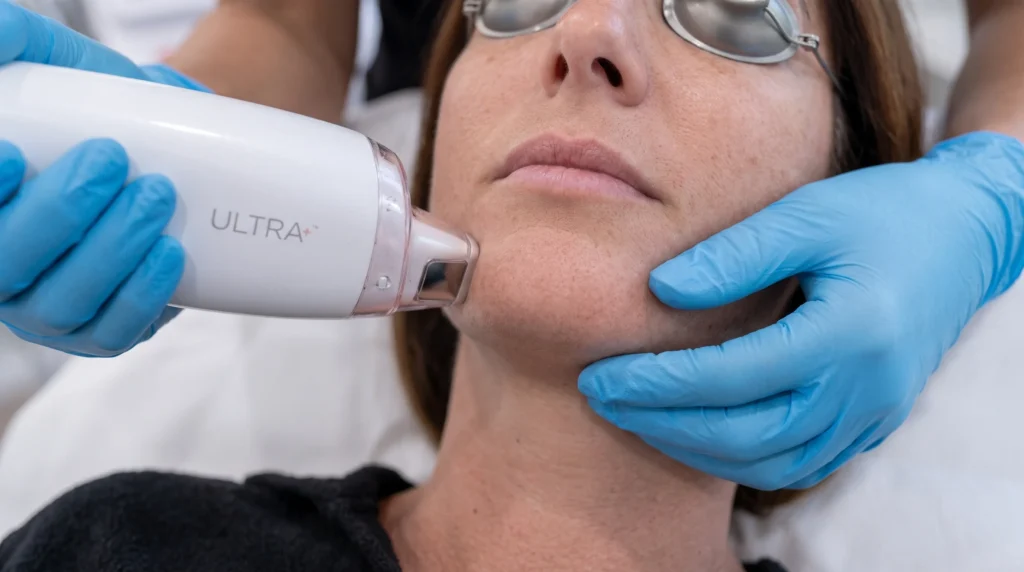
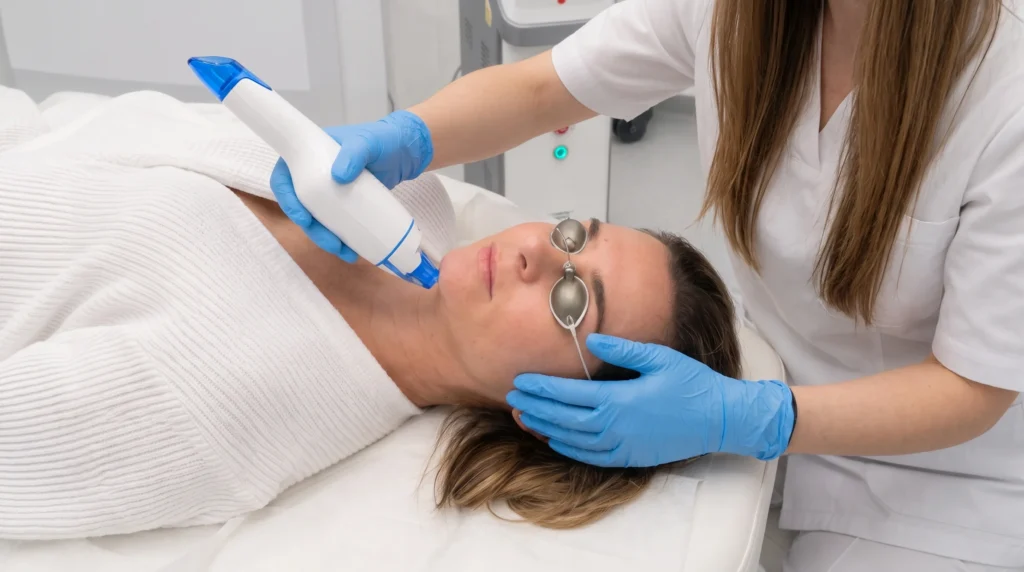
The practitioner moves the laser handpiece across the selected area using settings appropriate for your skin and goals.
You may feel warmth, tingling, or a prickling sensation during the procedure. The experience varies with individual sensitivity and treatment intensity.
Step 3: Selected Topical Ingredients
Some treatment protocols include topical ampoules designed for use with the LaseMD ULTRA system.
The laser creates microchannels that can increase the absorption of selected ingredients. Only products approved for the specific protocol should be used because enhanced absorption may also increase irritation from unsuitable formulations.
Step 4: Post-Treatment Care
Your provider explains how to care for your skin during recovery. This generally involves gentle cleansing, appropriate moisturization, sun protection, and temporarily avoiding irritating active ingredients.
Follow the instructions provided for your particular treatment rather than assuming that every laser facial requires the same aftercare.
How Much Downtime Should You Expect After LaseMD ULTRA?
LaseMD ULTRA is generally associated with limited downtime compared with more aggressive resurfacing procedures. However, the skin still needs time to recover.
You may experience:
- Mild redness or warmth.
- Temporary sensitivity.
- Dryness or a rough, sandpaper-like texture.
- Mild flaking as the skin renews.
These effects often settle within a few days, although recovery varies according to treatment settings and individual skin response.
Avoid scrubbing, picking, or exfoliating the treated area while it heals. Contact your treating professional if you experience severe pain, blistering, worsening swelling, signs of infection, or unexpected pigment changes.
How Many LaseMD ULTRA Sessions Do You Need?
The number of sessions depends on your skin concerns, treatment intensity, and response to the procedure.
Some patients notice changes after one session, while others may benefit from a series of treatments. Pore appearance, uneven texture, pigmentation, and sun damage can respond differently, so there is no single schedule that works for everyone.
Your provider can recommend an appropriate treatment interval after evaluating your skin. Allowing enough time between sessions also helps the practitioner assess recovery and determine whether further treatment is necessary.
How Can You Maintain Smoother Skin After Treatment?
Professional treatments work best when supported by a consistent skincare routine. Daily habits can help protect the skin barrier, reduce congestion, and limit additional sun damage.
Cleanse Without Overwashing
Use a gentle cleanser that removes oil, sunscreen, and daily buildup without leaving the skin tight or irritated.
Washing too frequently or using harsh cleansers can disrupt the skin barrier and make texture concerns more noticeable.
Choose Non-Comedogenic Products
If clogged pores are a concern, choose skincare and makeup labeled non-comedogenic. These products are formulated to be less likely to block pores.
Ingredients such as salicylic acid may help some people with oily or congested skin, but avoid introducing exfoliating products until your provider confirms that the treated skin has healed.
Apply Sunscreen Every Day
Use a broad-spectrum sunscreen with SPF 30 or higher. Reapply as directed, particularly when spending time outdoors.
Sun protection helps prevent further sun damage and supports the maintenance of improvements in skin tone and texture.
Follow Your Provider’s Recommendations
Your provider may suggest a simple maintenance routine or additional treatments based on your goals. Avoid scheduling repeated procedures without allowing sufficient recovery time.
If your skin becomes persistently irritated or develops new pigmentation, seek professional advice before changing your routine.
Is LaseMD ULTRA Suitable for Every Skin Type?
LaseMD ULTRA offers adjustable treatment settings, but suitability must still be assessed individually.
People with darker skin tones or a history of post-inflammatory hyperpigmentation may be more likely to develop dark marks after skin irritation or certain procedures. Those with melasma, active skin inflammation, recent tanning, or a compromised skin barrier may need additional assessment.
Before treatment, discuss your skin history and expectations with a qualified medical professional experienced in laser procedures. They can explain the potential benefits, limitations, alternatives, and risks based on your specific needs.
Frequently Asked Questions
1. Does LaseMD ULTRA permanently shrink pores?
No. Pores are natural skin structures and cannot be permanently eliminated. LaseMD ULTRA may help make them appear less noticeable by improving selected texture concerns, but results vary and maintenance may be needed.
2. How does LaseMD ULTRA improve skin texture?
The fractional 1927 nm thulium laser delivers controlled energy into small treatment zones. This supports skin renewal and may improve the appearance of roughness, uneven tone, and selected superficial skin concerns.
3. Is LaseMD ULTRA better than a regular facial?
The treatments serve different purposes. A regular facial focuses on cleansing, hydration, and surface care, while LaseMD ULTRA uses laser energy to target selected skin concerns. The appropriate choice depends on your goals and skin condition.
4. How long does it take to see results?
Some patients notice changes after one treatment, while others need multiple sessions. The timeline depends on the concern being treated, the settings used, and individual skin response.
5. Is there downtime after a LaseMD ULTRA laser facial?
Downtime is generally limited, but redness, dryness, sensitivity, and rough texture can occur temporarily. Follow your provider’s aftercare instructions and allow the skin to recover.
6. Can LaseMD ULTRA help with acne scars?
It may help selected superficial texture concerns and post-acne discoloration. Deep or pitted acne scars often require a different treatment approach, so a professional assessment is important.
7. Can LaseMD ULTRA treat oily skin?
The treatment may be included in a plan for selected skin concerns associated with oily or acne-prone skin. However, it is not a universal solution for excess oil production. Appropriate cleansing and targeted skincare may also be necessary.
8. Is LaseMD ULTRA safe for sensitive skin?
Some people with sensitive skin may be candidates, but suitability depends on the cause and severity of the sensitivity. Your provider should evaluate the skin barrier and potential risks before proceeding.
9. What should you avoid after treatment?
Avoid picking or scrubbing the skin, direct excessive sun exposure, and potentially irritating active ingredients until your provider says they are safe to resume. Follow the specific instructions given for your treatment.
10. How do you know whether LaseMD ULTRA is right for you?
A consultation with a qualified professional can help determine whether the treatment suits your concerns. The provider should review your skin type, medical history, current skincare routine, and expected results before recommending a treatment plan.
Conclusion
LaseMD ULTRA offers a professional approach to improving selected concerns involving pores, uneven texture, superficial pigmentation, and dull-looking skin. Its fractional 1927 nm thulium laser technology supports skin renewal while generally allowing a shorter recovery than more aggressive resurfacing procedures.
However, results depend on the condition being treated, individual skin characteristics, and the treatment plan. Pores cannot be permanently closed, and deeper scars or persistent pigmentation may need other approaches.
If you are considering a LaseMD ULTRA laser facial, start with a professional skin assessment. The right treatment plan, gentle aftercare, and consistent sun protection can help you make informed decisions about your skin’s long-term health and appearance.