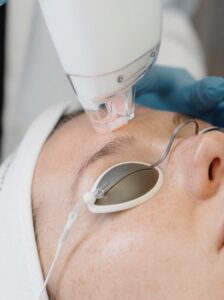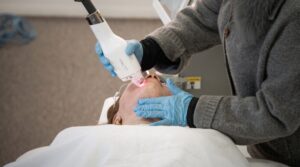


The main difference between Ultra MD non-ablative laser treatments and traditional chemical peels is how they improve the skin. Ultra MD, powered by LaseMD ULTRA technology, uses controlled fractional laser energy to support skin renewal and enhance the absorption of selected topical ingredients, while chemical peels use acids to exfoliate the skin and encourage the removal of damaged surface cells. Both treatments can improve skin tone, texture, and the appearance of selected pigmentation concerns, but the right option depends on your skin, goals, and tolerance for recovery time.
What Is Ultra MD Non-Ablative Laser Treatment?
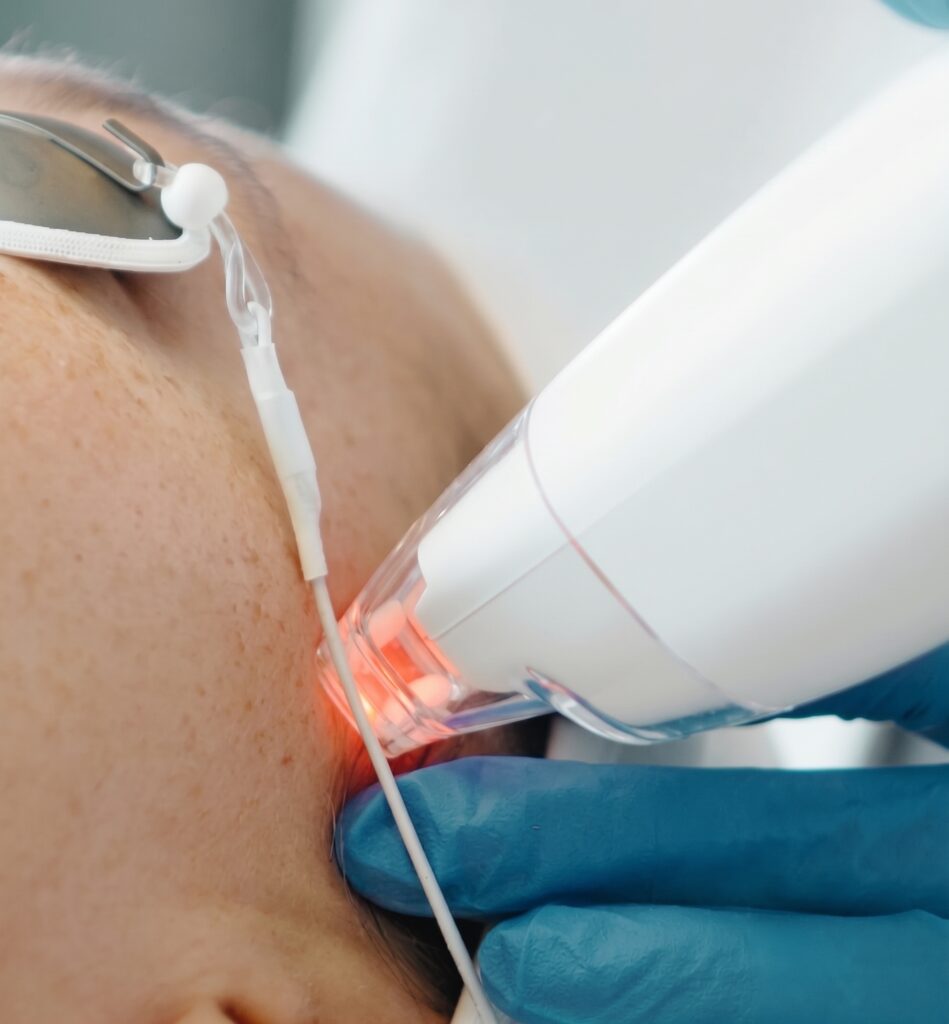
Ultra MD refers to the LaseMD ULTRA laser platform used for professional skin rejuvenation. It uses a 1927 nm thulium laser to deliver controlled fractional energy to the skin. The treatment is designed to improve selected pigmentation concerns, skin texture, and overall skin appearance while limiting disruption to the surrounding tissue.
LaseMD ULTRA also creates tiny microchannels that can increase the absorption of selected topical ingredients applied as part of a professional treatment protocol. This approach allows providers to tailor treatments according to individual skin needs.
How Does LaseMD ULTRA Work?
LaseMD ULTRA delivers fractional laser energy into small, controlled treatment zones. These zones trigger a localized skin response that supports renewal and can help improve the appearance of superficial pigmentation and uneven texture.
The treatment may help address concerns such as:
- Sunspots and selected age spots.
- Uneven skin tone.
- Dull-looking skin.
- Mild texture irregularities.
- Selected signs of sun damage.
- Fine lines and early signs of skin aging.
A provider can adjust the treatment settings according to the skin concern and desired outcome. Some protocols also include targeted ampoules, such as formulations containing ingredients selected for pigmentation management or skin revitalization.
Although the treatment is often described as non-ablative, manufacturer terminology and protocols can vary. Your provider should explain the specific device, treatment approach, expected recovery, and risks before proceeding.
What Are Traditional Chemical Peels?
Chemical peels are professional skin treatments that use chemical solutions to exfoliate the skin. Depending on the ingredients and strength, a peel can affect the outermost skin layer or reach deeper layers to address specific concerns.
Common peeling agents include alpha-hydroxy acids, such as glycolic acid and lactic acid, as well as salicylic acid and trichloroacetic acid (TCA). The appropriate ingredient depends on the condition being treated and the patient’s skin characteristics.
Chemical peels can help improve the appearance of:
- Dull or rough skin.
- Some types of acne and clogged pores.
- Selected acne marks and pigmentation.
- Sunspots and freckles.
- Uneven skin tone.
- Certain fine lines caused by sun damage.
How Do Chemical Peels Work?
A chemical peel uses a carefully selected solution to loosen connections between skin cells and promote controlled exfoliation. As the treated skin sheds and recovers, it may look smoother and more even.
Peels are generally grouped into three categories.
Light peels: These work mainly on the outermost skin layer. They may help improve dullness, mild discoloration, and rough texture, with relatively short recovery.
Medium peels: These penetrate more deeply and may address more pronounced sun damage, pigmentation, and selected fine lines. Redness, swelling, and peeling can be more noticeable.
Deep peels: These reach deeper layers of skin and involve substantially more recovery and risk. They are not interchangeable with light spa peels and require specialist medical assessment and care.
The strength of a chemical peel influences both its potential benefits and its side effects. Stronger treatments are not automatically better for every skin concern.
What Is the Difference Between LaseMD ULTRA and Chemical Peels?
Both treatments can support skin renewal, but they use different methods. LaseMD ULTRA relies on controlled laser energy, whereas chemical peels use exfoliating solutions. The differences affect treatment planning, recovery, and suitability for individual skin concerns.
1. Treatment Technology
LaseMD ULTRA uses a fractional 1927 nm thulium laser. It creates controlled treatment zones and can increase the skin’s permeability to selected topical ingredients.
Chemical peels use acids to exfoliate the skin. Their effects depend on the type of acid, concentration, pH, contact time, and the depth of treatment.
2. Skin Concerns Addressed
LaseMD ULTRA may be considered for selected pigmentation concerns, sun damage, uneven tone, and texture irregularities.
Chemical peels can help with dullness, rough texture, some acne-related concerns, sun damage, and selected forms of discoloration.
Neither treatment is suitable for every pigmentation condition. For example, melasma can be difficult to manage and may worsen when treatment causes excessive inflammation. A qualified professional should assess the cause of discoloration before recommending either procedure.
3. Treatment Experience
During a LaseMD ULTRA session, you may feel warmth, tingling, or a prickling sensation as the laser moves across the skin.
With a chemical peel, you may experience stinging, warmth, or tingling while the solution is applied. The sensation depends on the peel’s strength and ingredients.
Your provider should explain what to expect and how discomfort will be managed before treatment begins.
4. Recovery Time
LaseMD ULTRA is generally associated with limited downtime. Temporary redness, sensitivity, dryness, or a rough, sandpaper-like texture may occur for a few days, depending on treatment intensity.
Chemical peel recovery varies more widely. Light peels may cause redness and flaking for several days, while medium peels can require approximately one to two weeks of healing. Deep peels may require several weeks of recovery and close medical supervision.
These are general ranges, not guarantees. Your actual recovery depends on the treatment and your skin’s response.
5. Customization
LaseMD ULTRA treatments can be adjusted through laser settings and the selection of appropriate topical products.
Chemical peels can be customized through the type of acid, formulation, concentration, and depth of treatment.
In both cases, professional judgment matters. The treatment should be chosen based on your skin’s condition rather than simply selecting the strongest available option.
Which Treatment Is Better for Hyperpigmentation and Uneven Skin Tone?
Neither treatment is universally better. The right choice depends on the cause of pigmentation, how deep it is, your skin tone, previous reactions to procedures, and your recovery preferences.
When Might LaseMD ULTRA Be Considered?
LaseMD ULTRA may be an option for people seeking to improve selected superficial pigmentation, sun damage, and uneven texture while keeping recovery relatively short.
Its microchanneling effect can also support the delivery of selected topical ingredients within an appropriate professional protocol.
However, results vary, and laser treatment can sometimes trigger unwanted pigmentation, particularly in people prone to post-inflammatory hyperpigmentation. A careful assessment is especially important for melasma and darker skin tones.
When Might a Chemical Peel Be Considered?
A chemical peel may be suitable when the main goals are improving dullness, surface roughness, selected acne-related concerns, or mild discoloration.
Light peels may offer gradual improvement with limited recovery. Stronger peels can address certain deeper concerns but involve greater risks and longer healing.
A dermatologist or appropriately qualified medical professional should determine whether a peel is suitable, especially for persistent pigmentation, sensitive skin, or darker skin tones.
Can LaseMD ULTRA and Chemical Peels Treat Melasma?
Both treatments may be considered in selected pigmentation treatment plans, but melasma requires particular caution. It is a chronic condition influenced by factors such as ultraviolet exposure, visible light, hormones, and genetics.
LaseMD ULTRA may help improve the superficial pigment component of melasma in carefully selected patients. Some professional protocols combine the laser with topical ingredients, such as tranexamic acid formulations. However, treatment outcomes are not guaranteed, and the condition may return.
Chemical peels may also help selected patients with melasma, but the peel must be chosen carefully. Irritation and inflammation can make pigmentation worse.
For many people, consistent sun protection and medically recommended topical treatments are central to melasma management. Procedures should be considered only after an assessment of their likely benefits and risks.
What Are the Risks and Side Effects of Each Treatment?
Both procedures can cause side effects, even when performed by experienced professionals.
Possible LaseMD ULTRA Side Effects
Potential effects include:
- Temporary redness and warmth.
- Dryness or rough texture.
- Skin sensitivity.
- Temporary darkening or lightening of pigmentation.
- Burns or unwanted pigment changes in some cases.
The likelihood of complications depends on the treatment settings, skin characteristics, aftercare, and practitioner experience.
Possible Chemical Peel Side Effects
Potential effects include:
- Stinging, redness, and peeling.
- Prolonged irritation.
- Temporary or persistent pigment changes.
- Infection or scarring in some cases.
- Cold sore reactivation in people with a relevant history.
The risks increase with deeper peels and improper treatment or aftercare. At-home high-strength chemical peels can cause serious injuries, so professional guidance is important.
How Should You Care for Your Skin After Treatment?
Aftercare supports healing and helps reduce the risk of irritation and pigmentation changes. Your provider’s instructions should take priority because care requirements differ between laser settings and peel strengths.
Follow a Gentle Skincare Routine
Use a mild cleanser and a suitable moisturizer while the skin recovers. Avoid scrubs, exfoliating acids, retinoids, and other potentially irritating products until your provider confirms that they can be resumed.
Use Sunscreen Daily
Apply broad-spectrum sunscreen with SPF 30 or higher and reapply as directed. Limit direct sun exposure while healing and use hats or shade when outdoors.
For melasma, a tinted sunscreen containing iron oxides may offer additional protection against visible light.
Avoid Picking or Scrubbing
Do not pull off peeling skin or scrub rough areas. Allow the skin to shed naturally to reduce irritation and the risk of post-inflammatory pigmentation.
Follow Your Recommended Treatment Schedule
Do not repeat a laser treatment or chemical peel sooner than advised. Your provider can determine whether another session is needed after evaluating your recovery and response.

How Do You Choose the Right Treatment for Your Skin?
Start by identifying the concern you want to address. Dark spots, acne marks, rough texture, redness, and melasma can look similar but may require different approaches.
During a consultation, ask your provider:
- Which treatment is most suitable for my skin concern?
- What results are realistic for my skin tone and condition?
- How much downtime should I expect?
- What are the risks of post-inflammatory hyperpigmentation?
- How should I prepare my skin before treatment?
- Which products should I stop using temporarily?
- Will I need maintenance treatments?
Share your medical history, current skincare routine, medications, recent sun exposure, and any previous reactions to cosmetic procedures.
A qualified provider can explain the differences between LaseMD ULTRA and chemical peels and recommend an approach based on your needs, rather than assuming one treatment works for everyone.
Frequently Asked Questions
1. Is LaseMD ULTRA better than a chemical peel?
Neither treatment is always better. LaseMD ULTRA uses fractional laser energy, while chemical peels use exfoliating acids. The best option depends on your skin concern, pigmentation type, skin tone, and tolerance for downtime.
2. Does LaseMD ULTRA have less downtime than chemical peels?
LaseMD ULTRA generally involves limited downtime, although temporary redness, dryness, and roughness can occur. Light chemical peels may also have short recovery periods, while medium and deep peels require more healing time.
3. Can chemical peels remove dark spots?
Chemical peels can improve selected forms of discoloration, including some sunspots and post-acne marks. Results depend on the type of pigmentation, peel strength, and skin response. Some dark spots need medical evaluation before treatment.
4. Can LaseMD ULTRA improve skin texture?
Yes, LaseMD ULTRA may improve selected texture irregularities and support a smoother-looking complexion. The extent of improvement depends on the concern, treatment settings, and number of sessions.
5. Which treatment is safer for darker skin tones?
Neither treatment is automatically safer for everyone with darker skin. Both laser procedures and chemical peels can cause post-inflammatory hyperpigmentation if they trigger excessive irritation. Choose an experienced professional who understands your skin tone and the risks associated with each procedure.
6. Can you combine LaseMD ULTRA with a chemical peel?
Combining treatments may be appropriate in selected cases, but they should not be performed together without a carefully planned protocol. Treating the skin too aggressively can increase irritation and pigmentation risks. Your provider should determine the correct sequence and recovery interval.
7. How many sessions are needed for visible results?
The number of sessions varies. Some people notice improvement after one treatment, while others need a series of laser sessions or chemical peels. Persistent pigmentation may require ongoing management rather than a fixed treatment course.
8. Do both treatments require sunscreen?
Yes. Daily sun protection is important after both LaseMD ULTRA and chemical peels. Sunscreen helps protect healing skin and reduces the risk of further sun damage and pigmentation.
9. Can these treatments help with acne marks?
Both treatments may improve selected post-acne marks, depending on whether the marks involve discoloration or textural scarring. Active acne and deeper scars may require different treatments, so a professional assessment is recommended.
10. How do you know which treatment is right for you?
A professional consultation is the best starting point. Your provider should assess your skin concern, skin tone, medical history, current products, and recovery preferences before recommending a treatment.
Conclusion
Ultra MD non-ablative laser treatment and traditional chemical peels can both improve selected skin concerns, but they work in different ways. LaseMD ULTRA uses fractional laser energy to support skin renewal and enhance the absorption of selected topical ingredients, while chemical peels exfoliate the skin through carefully selected acids.
The right choice depends on your skin’s needs, the condition being treated, the expected recovery period, and the risks associated with your skin type. Professional assessment and consistent aftercare are essential for both treatments.
By understanding how each procedure works, you can have a more informed conversation with your skincare professional and choose a treatment plan that supports your skin goals safely.